Things to Do in Fez
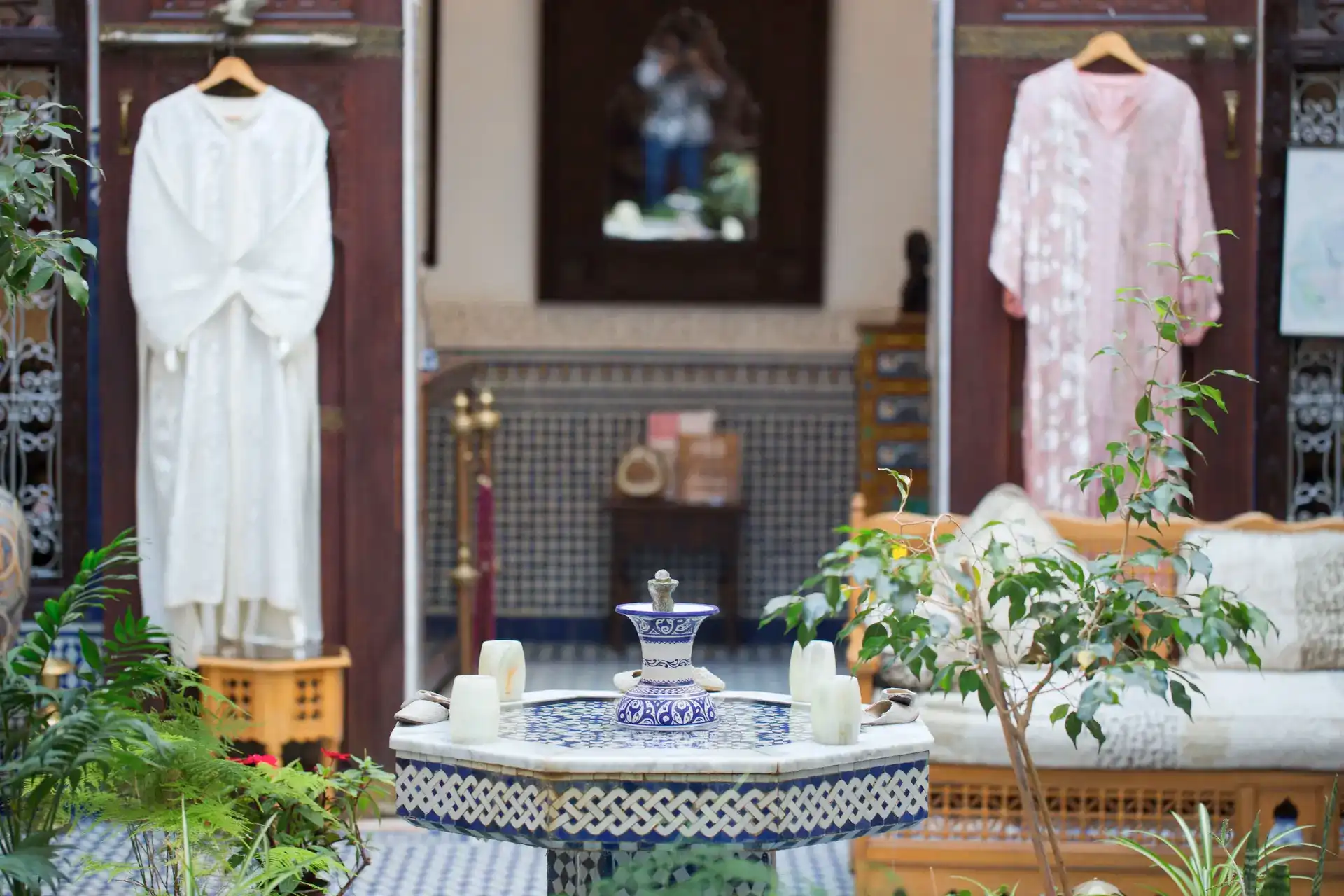
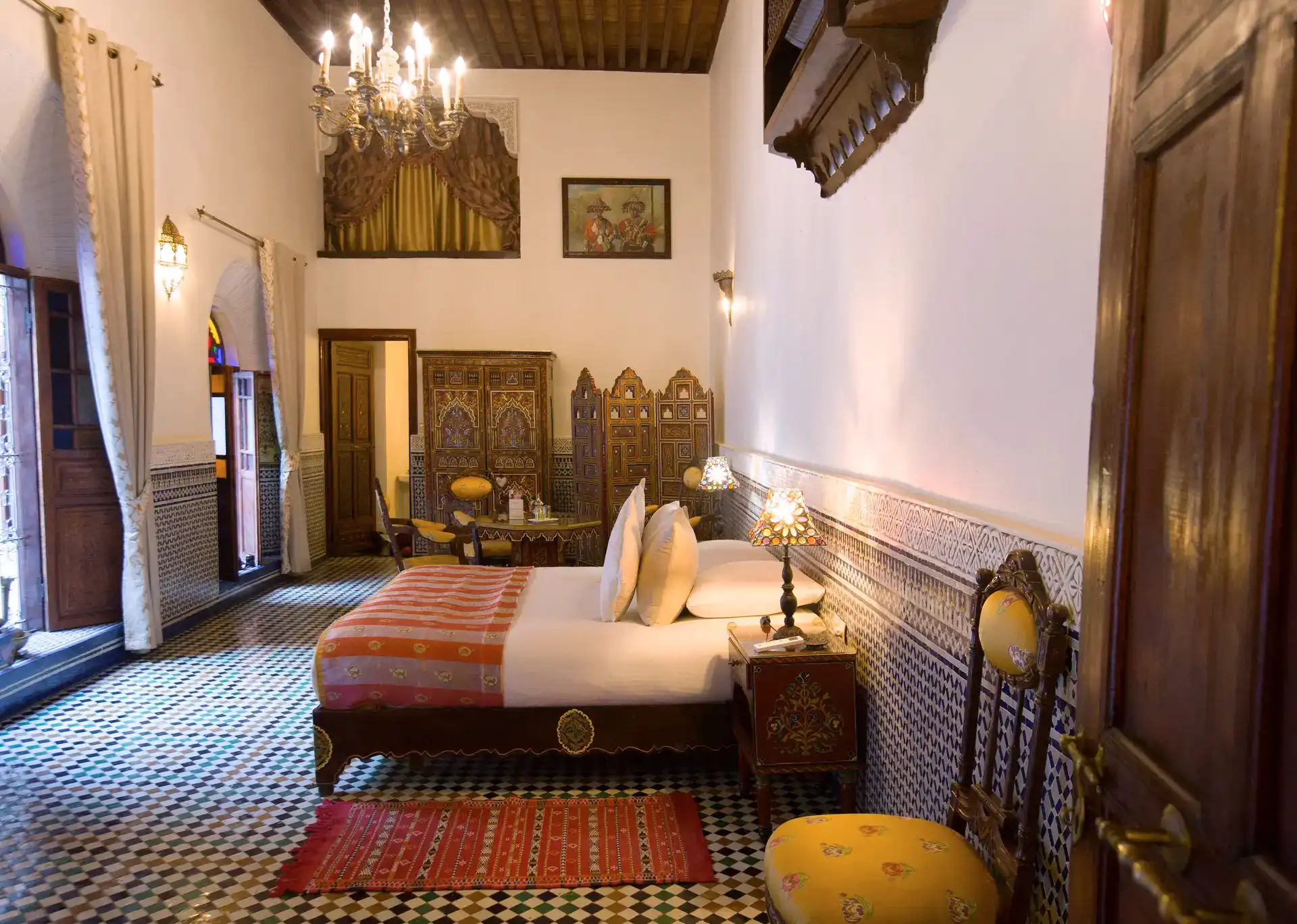
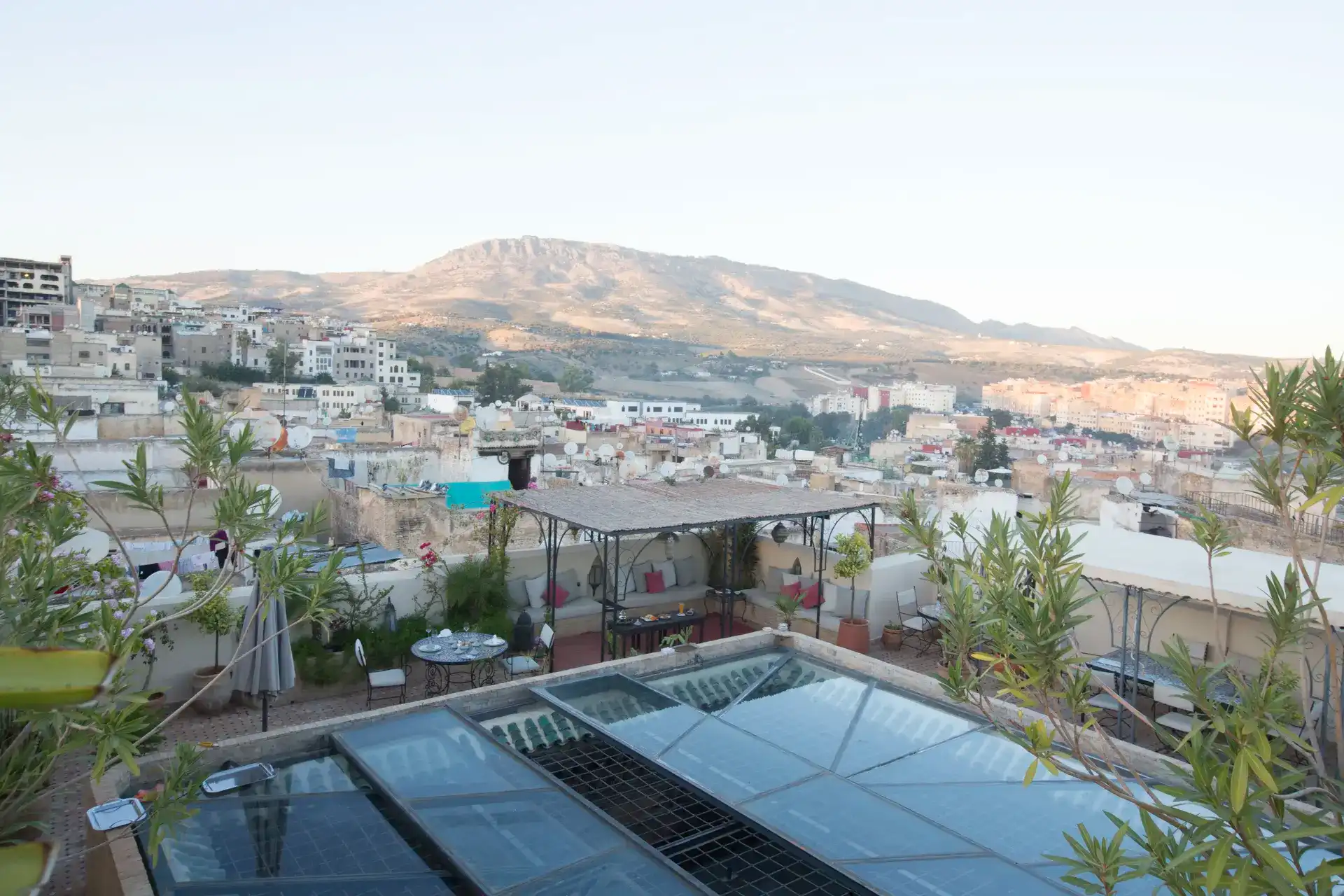
Riad Kettani sits at the heart of Fes el-Bali, the older of the city's two medinas and the largest car-free urban area in the world, listed as a UNESCO World Heritage Site. Most of the places below are within walking distance of the house; the rest fit into a single day. Here is what we recommend to our guests, from the nearest to the furthest.
Inside the medina
Everything below is a few minutes' walk from the riad. Expect to get lost: it is still the best way to see Fes el-Bali.
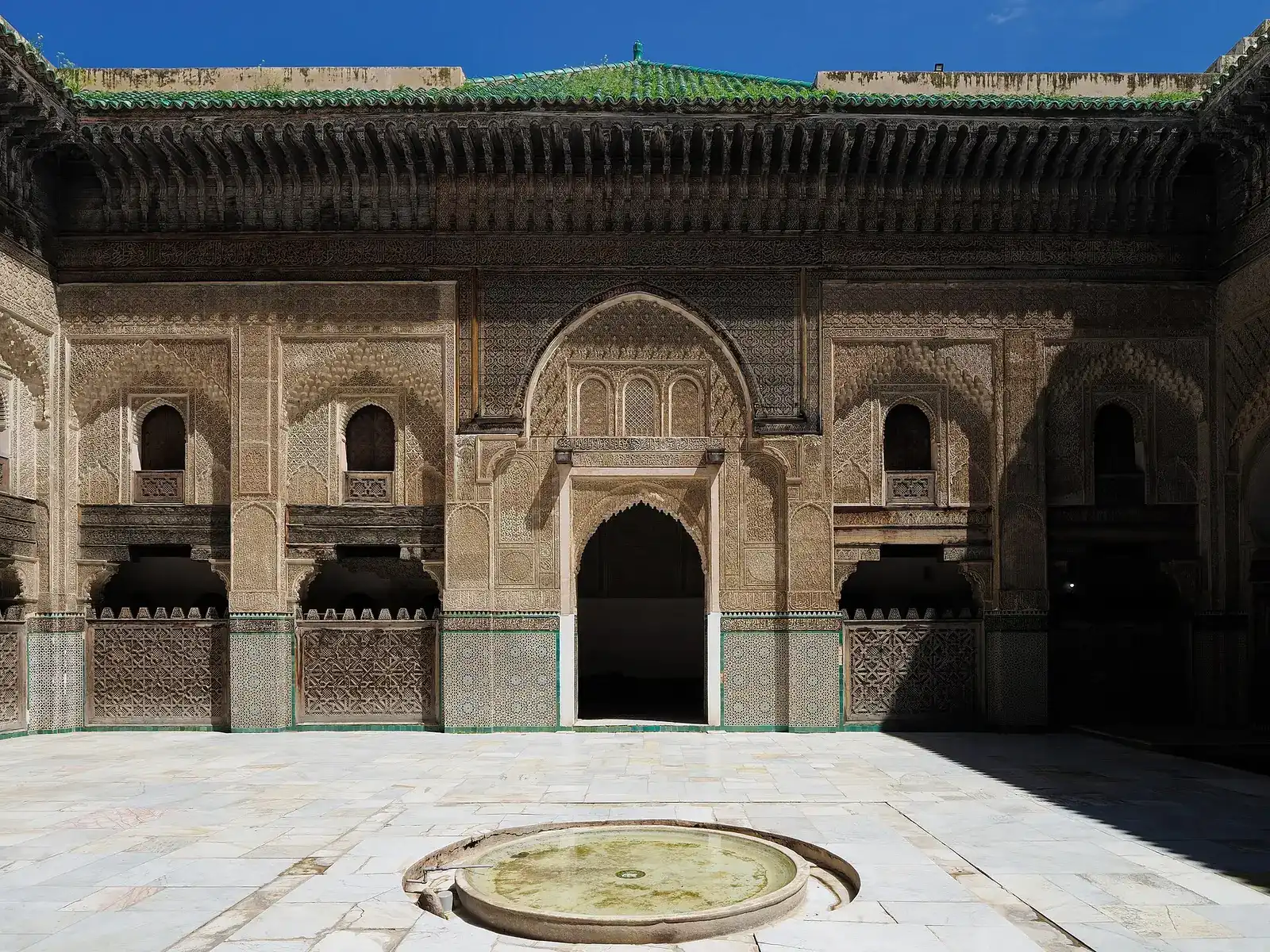
The Bou Inania Madrasa
Built in the fourteenth century by the Merinid sultan Abu Inan, it is the largest madrasa in Fez and the only one with its own minaret. Around the marble courtyard, zellige tilework rises to head height, then gives way to carved stucco and sculpted cedar.
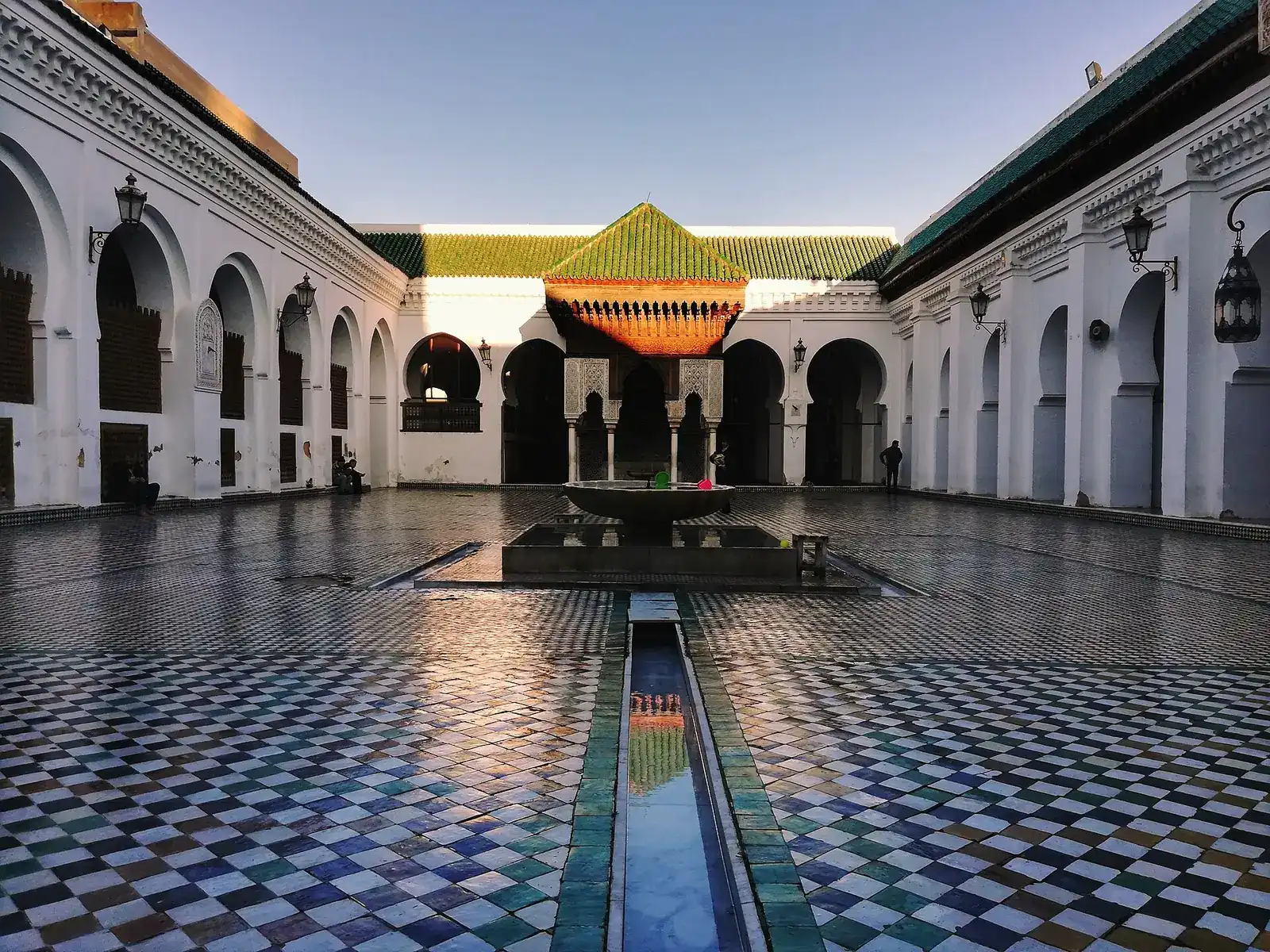
Al-Qarawiyyin
Founded in 859 by Fatima al-Fihriya, it is regarded as the oldest continuously operating university in the world. The prayer hall remains reserved for Muslims, but the neighbouring courtyards and the restored library can be approached, and its minaret is a landmark from anywhere in the medina.
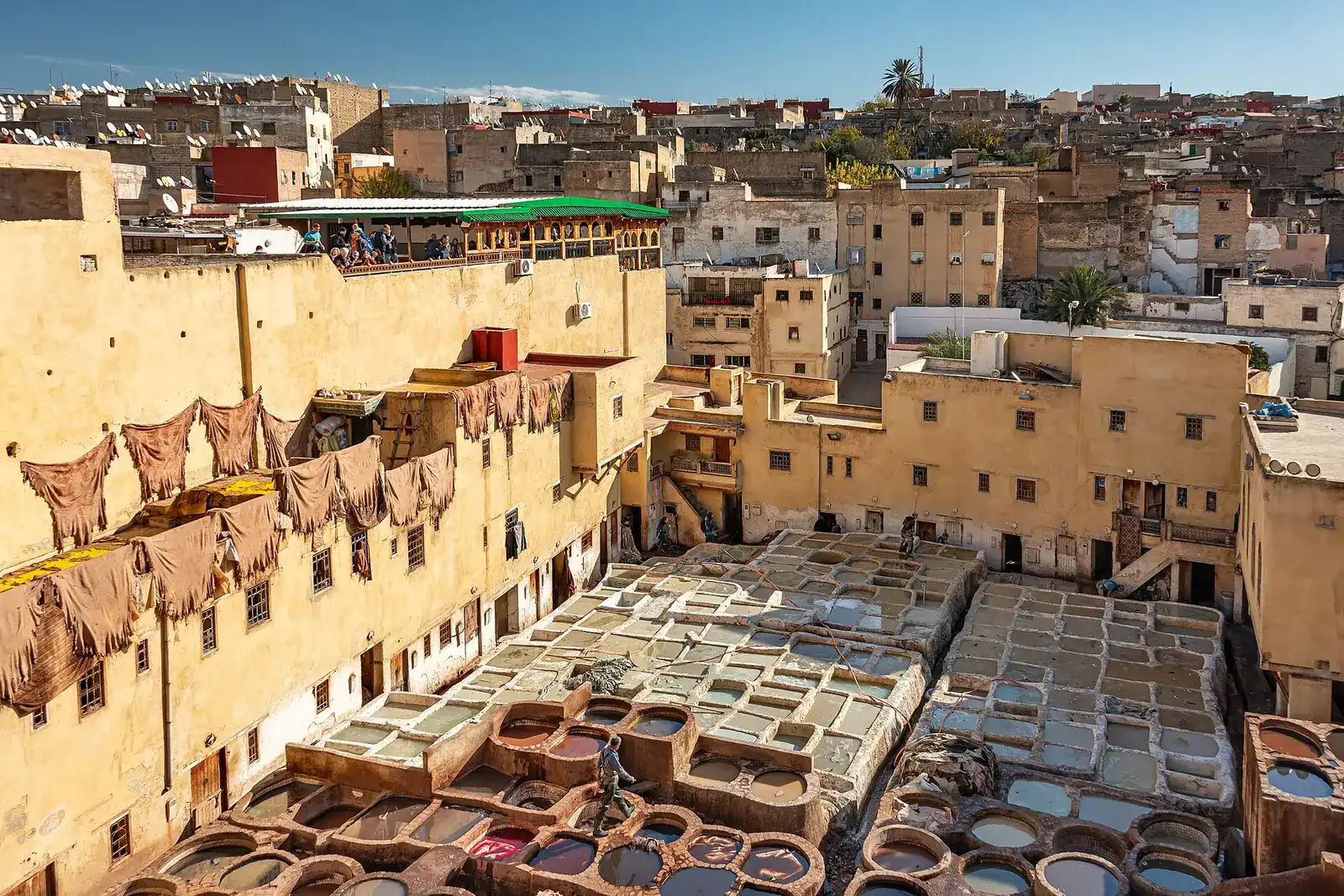
The Chouara tanneries
Stone vats filled with dye have been working leather here since the eleventh century, without a single machine. You watch from the terraces of the surrounding shops, a sprig of mint in hand — the smell is as memorable as the view.
Bab Boujloud and the souks
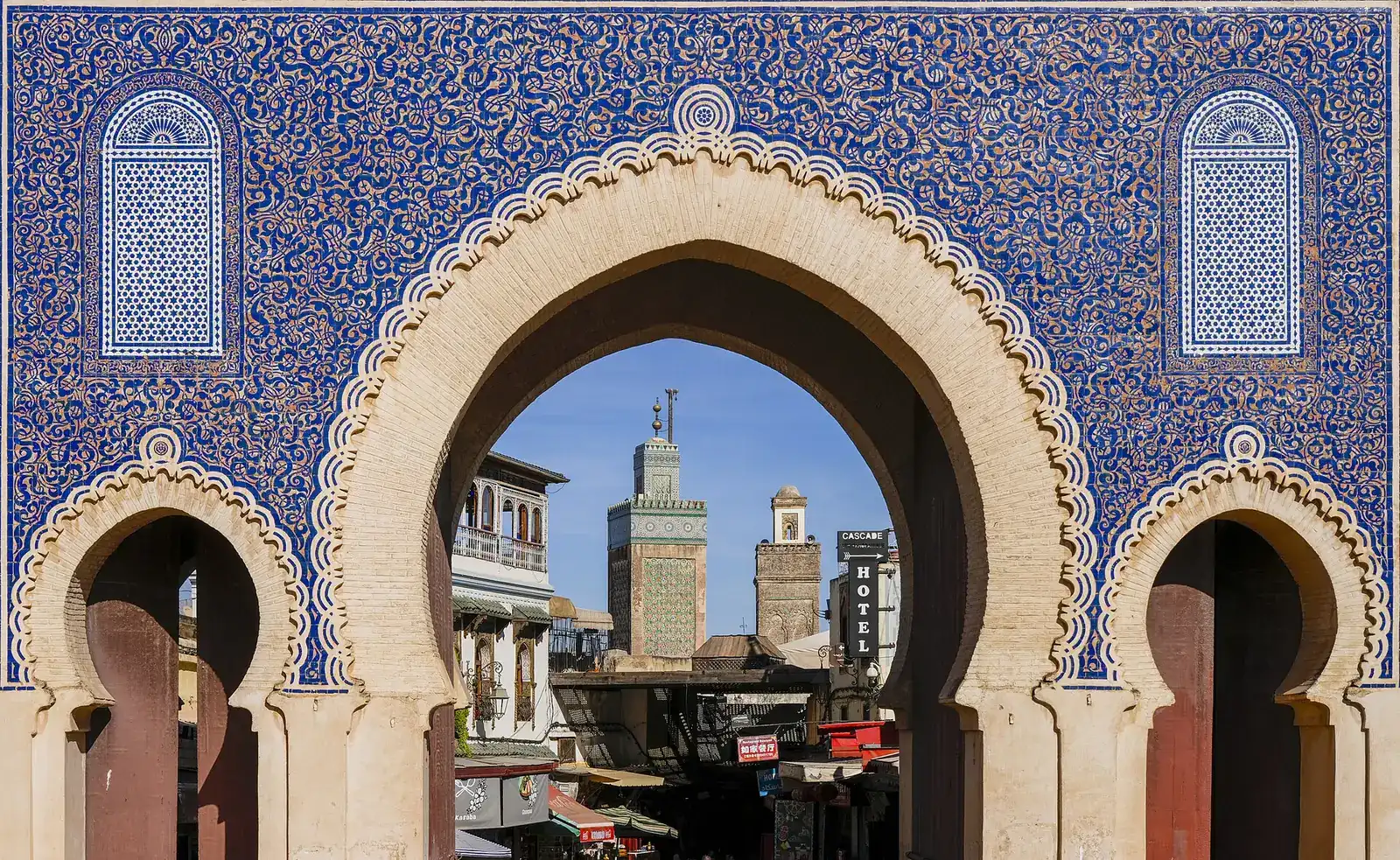
Blue on the city side, green on the medina side, the gate opens onto the two main arteries of Fes el-Bali. Beyond it begin the souks, arranged by trade: spices, the coppersmiths of Seffarine Square, the dyers, the carpenters.
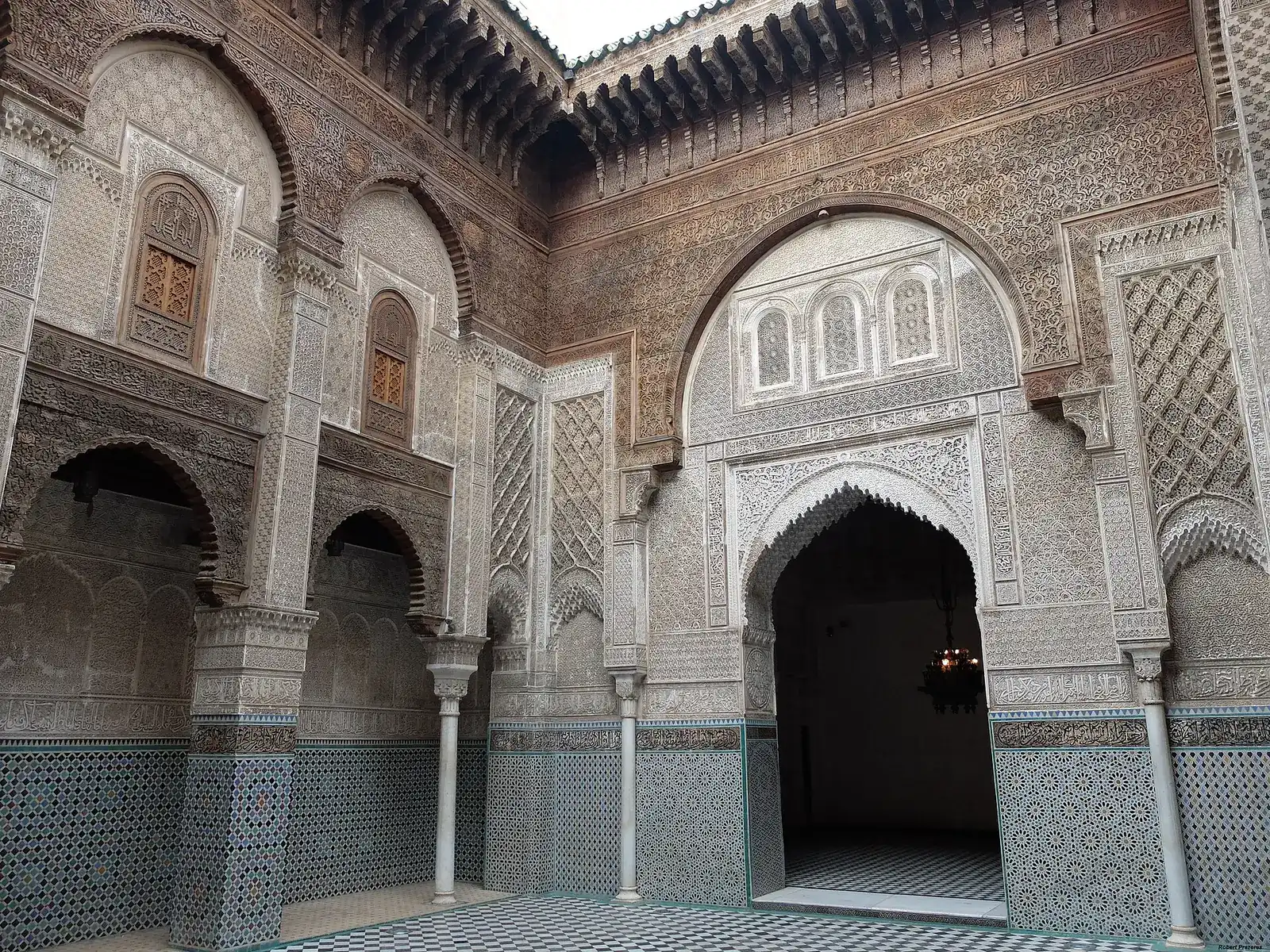
The al-Attarine Madrasa
Smaller than its neighbour Bou Inania, but often held to be the finer of the two: every inch of the courtyard is covered in zellige, carved plaster and calligraphy. It takes its name from the perfumers' souk alongside it.
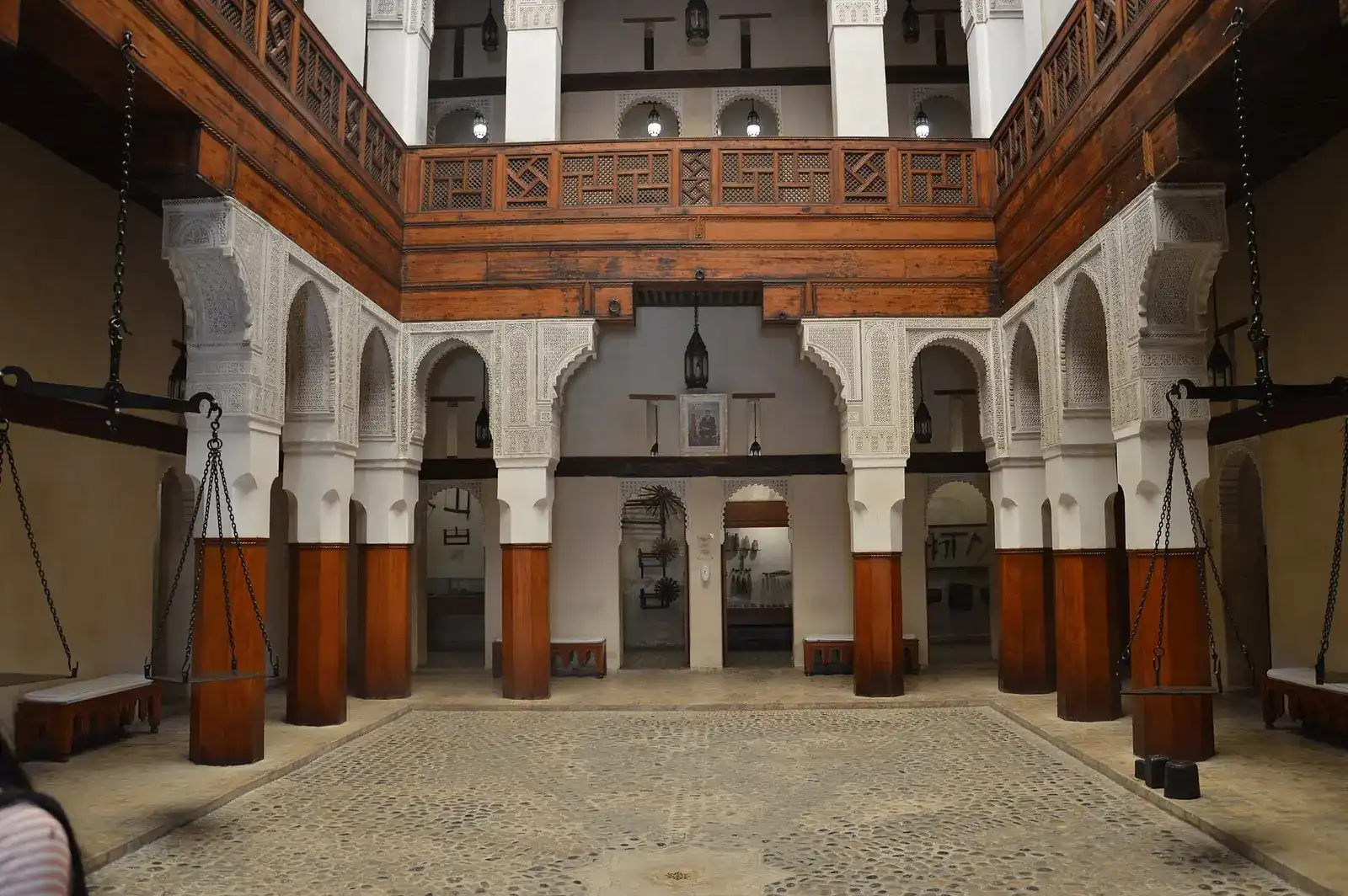
The Nejjarine Fondouk
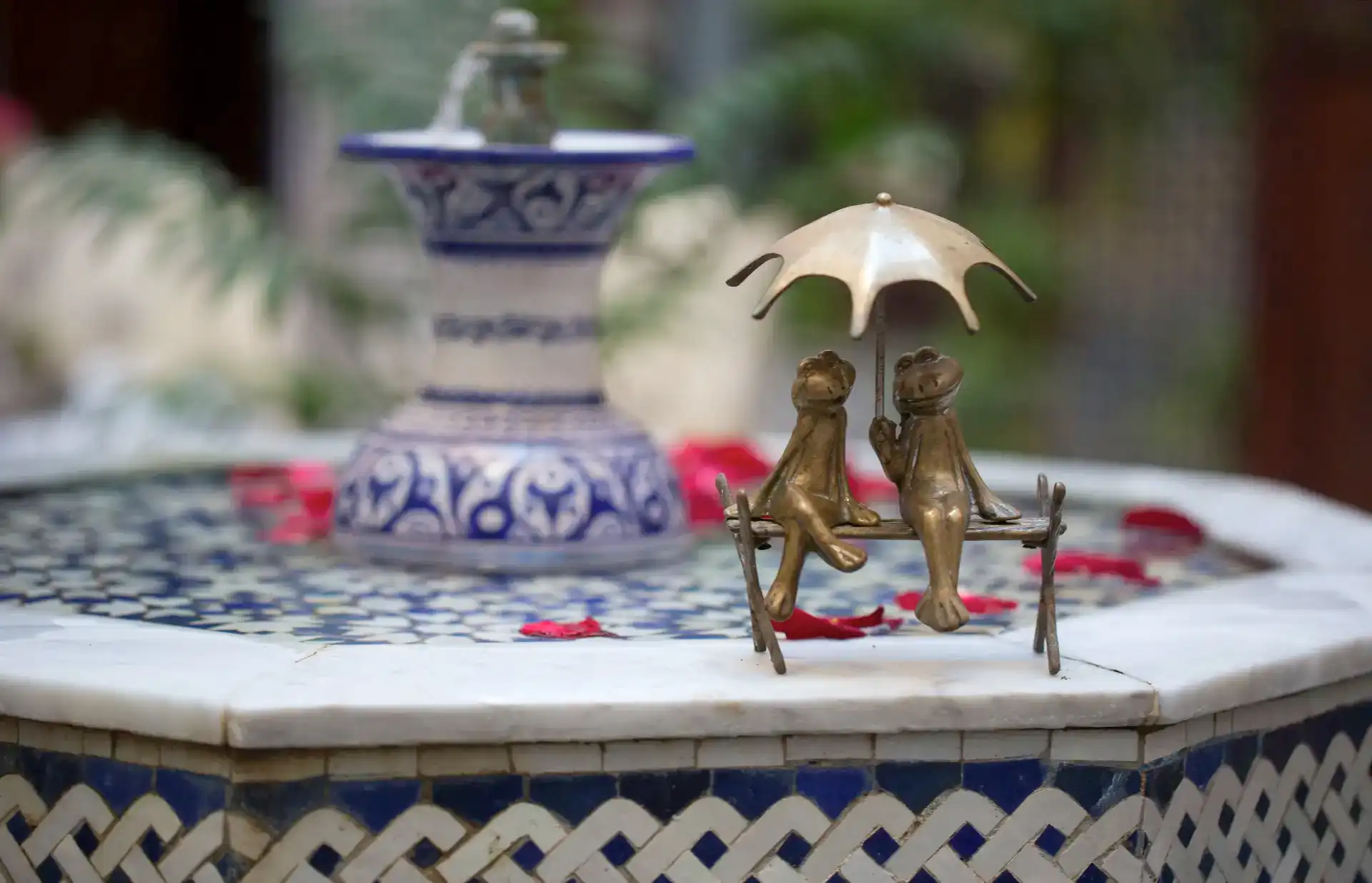
A former caravanserai where merchants and their animals lodged, it now houses the Museum of Wooden Arts and Crafts. Its zellige fountain, on the little square outside, is among the most photographed in the city, and the museum terrace looks out over the rooftops.
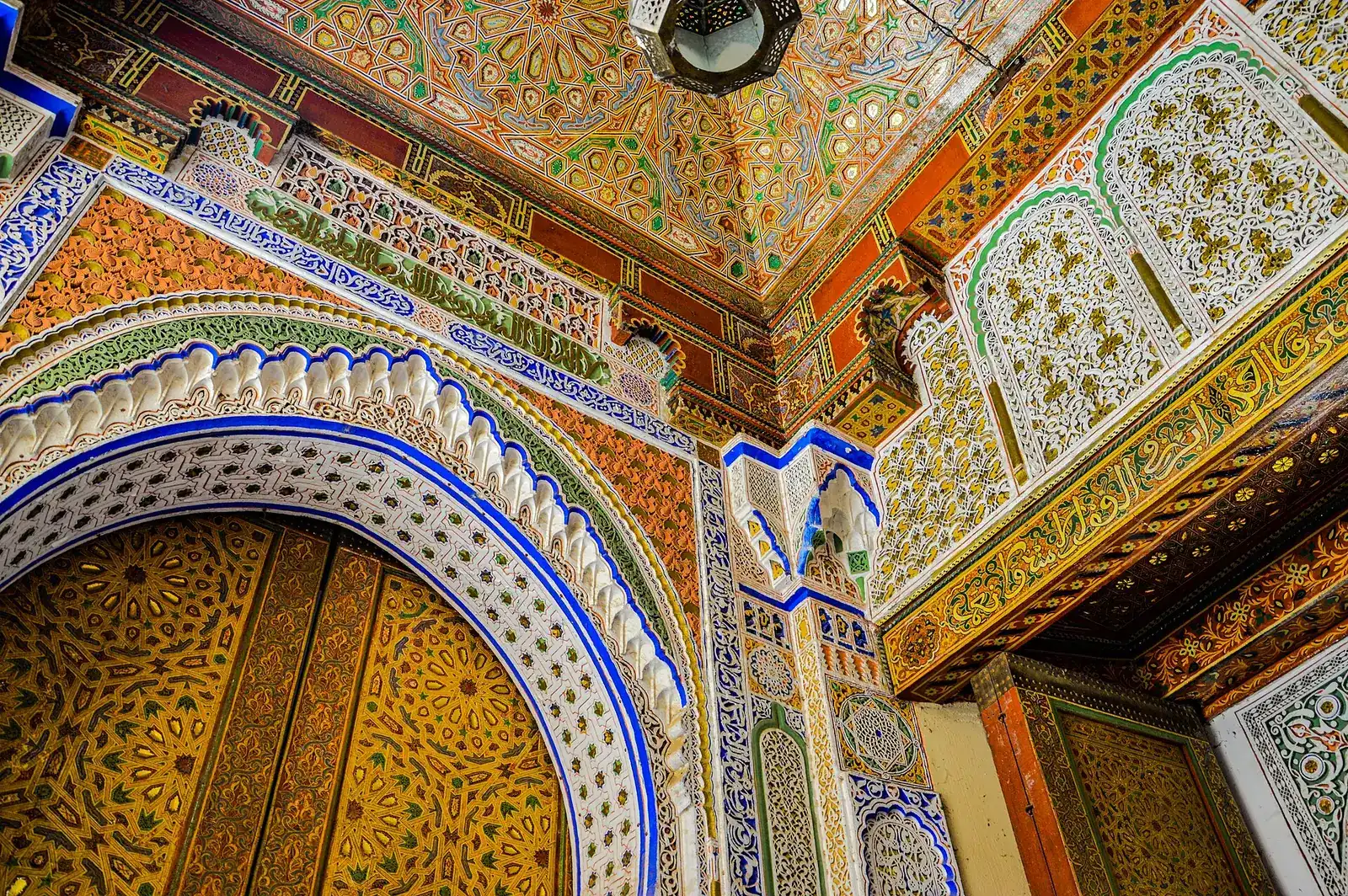
The Moulay Idriss II Zawiya
The mausoleum of the founder of Fez, at the exact centre of the medina. The shrine itself is reserved for Muslims, but you walk past its brass doors and painted wooden walls, along a lane where incense burns all day long.
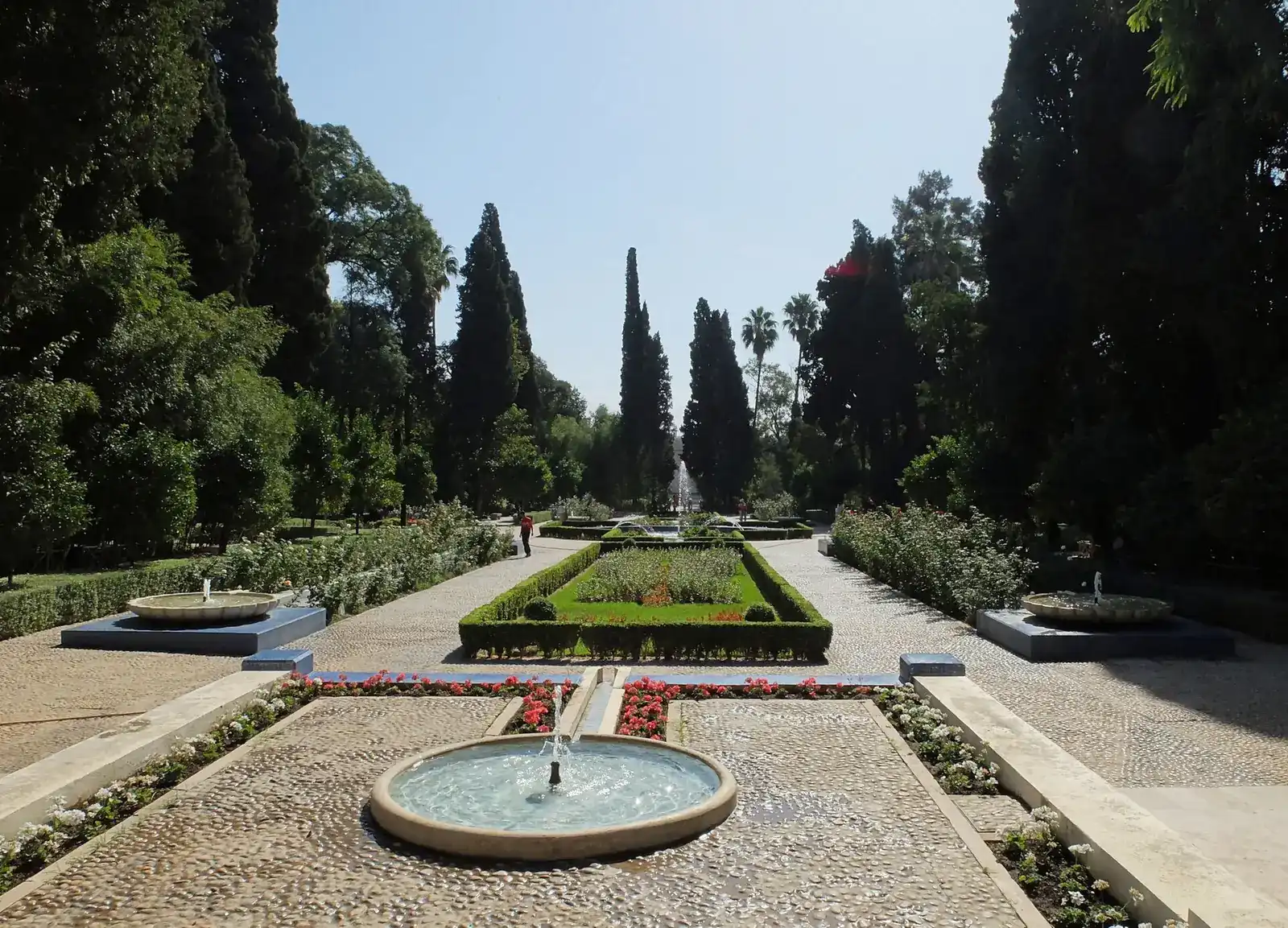
The Jnan Sbil gardens
The medina's great public garden, given to the city by Sultan Moulay Hassan in the nineteenth century: cypress alleys, a bamboo grove, pools and a waterwheel. The place to catch your breath between two visits.
Fes Jdid and the new town
The Merinid city and its gardens, then the twentieth-century avenues: two other faces of Fez, a quarter of an hour away by taxi.
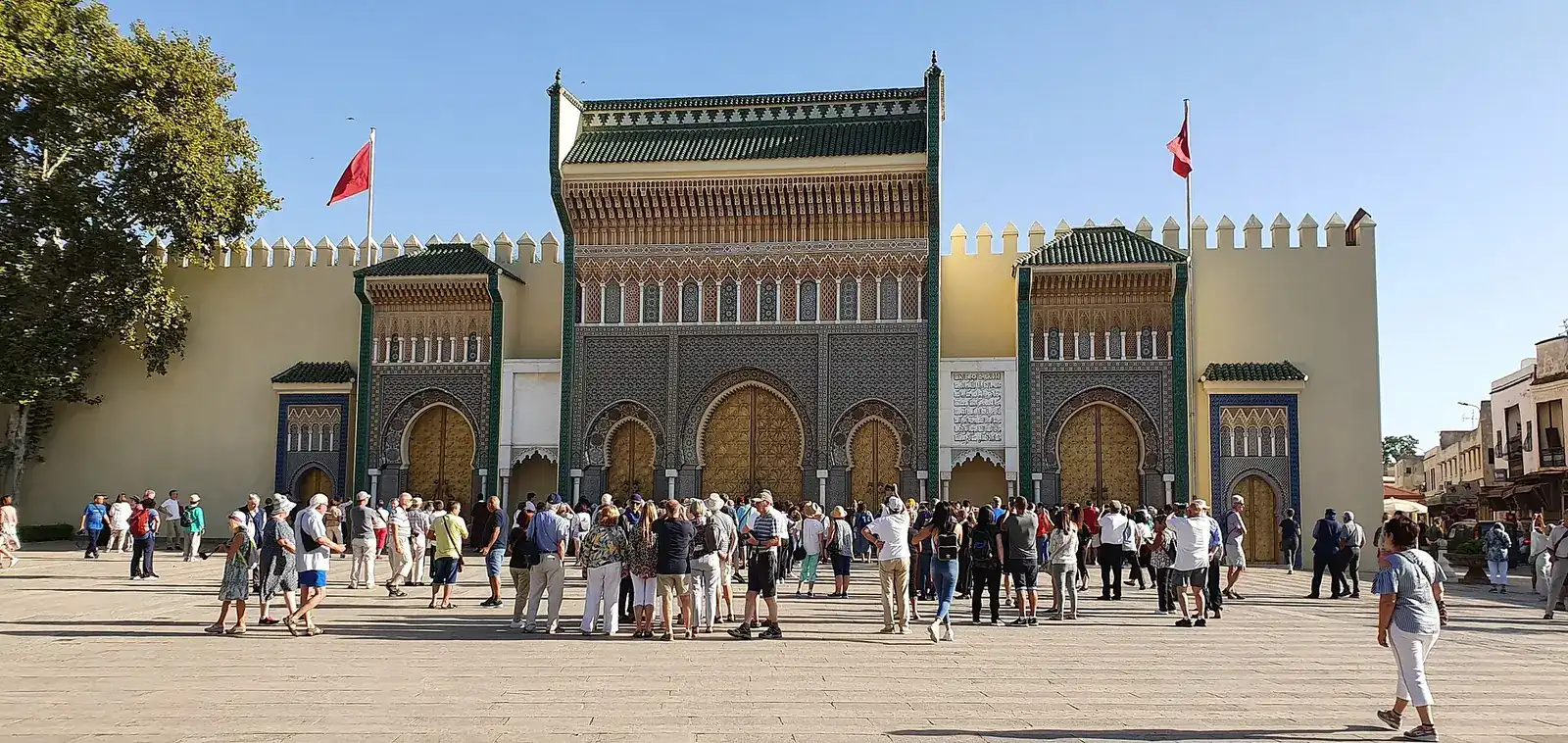
The Royal Palace and the Mellah
The seven gilded bronze doors of the Dar el-Makhzen close off Alaouite Square: the palace cannot be visited, but the façade is worth the walk. Just behind it begins the Mellah, the old Jewish quarter, with its wooden-balconied houses and the Ibn Danan Synagogue.
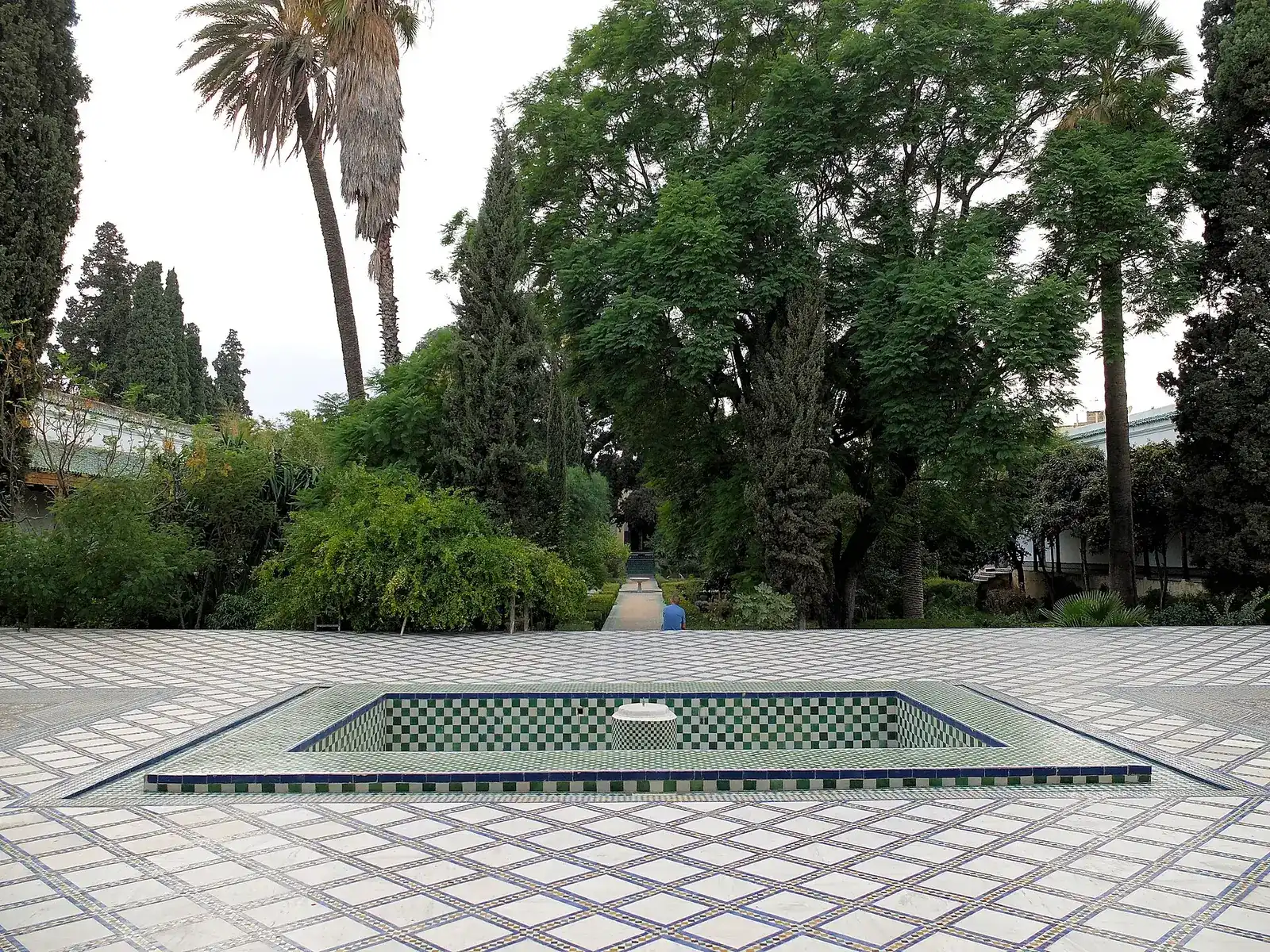
The Dar Batha Museum
A late nineteenth-century palace turned museum of the arts and traditions of Fez: ceramics in the city's celebrated blue, carved wood, embroidery, astrolabes. Its Andalusian garden, planted with a century-old oak, hosts the concerts of the sacred music festival.
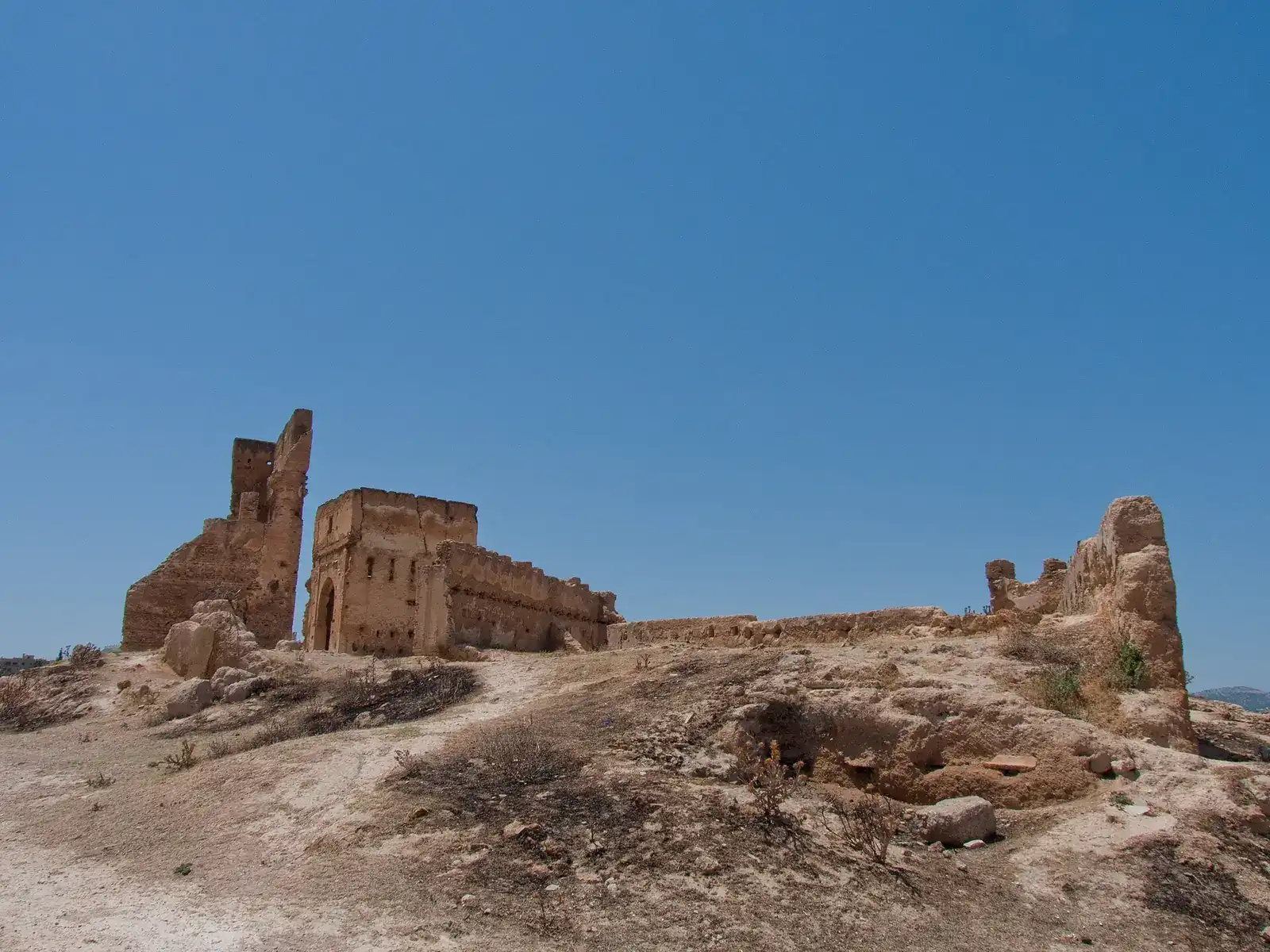
Borj Nord and the Merinid tombs
On the northern hill, a sixteenth-century Saadian fortress and, a little higher, the ruins of the Merinid tombs. You climb up for the panorama: the whole medina at a glance, at its best in the late afternoon.
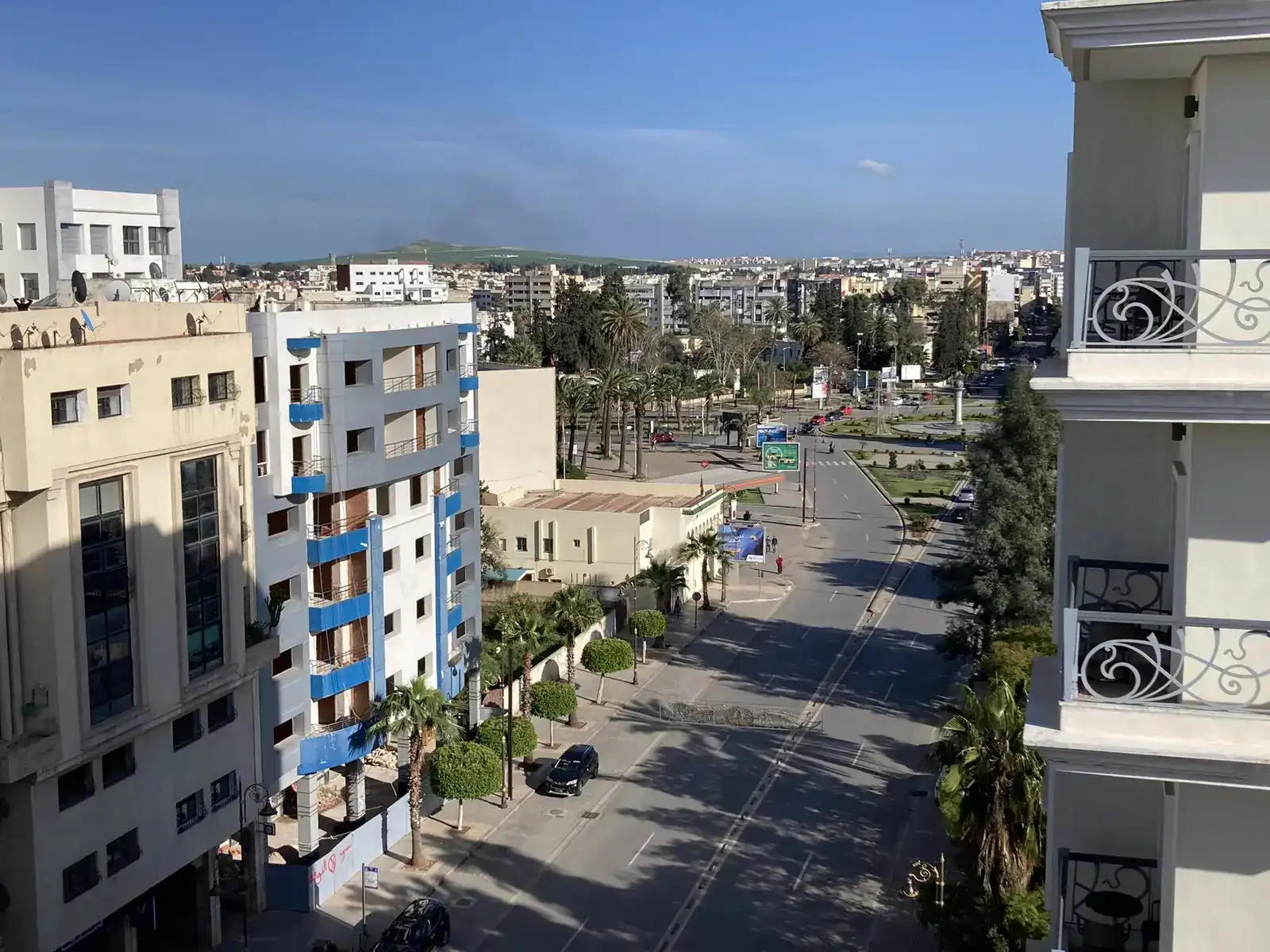
The new town
Laid out in the 1910s, it lines up its Art Deco buildings along wide, tree-planted avenues. People come for the café terraces of Avenue Hassan II, the shops and the restaurants — a quiet counterpoint to the intensity of the medina.
Further afield, up to the Middle Atlas
A single day is enough for each of these trips. We arrange the transport and, if you wish, a guide.
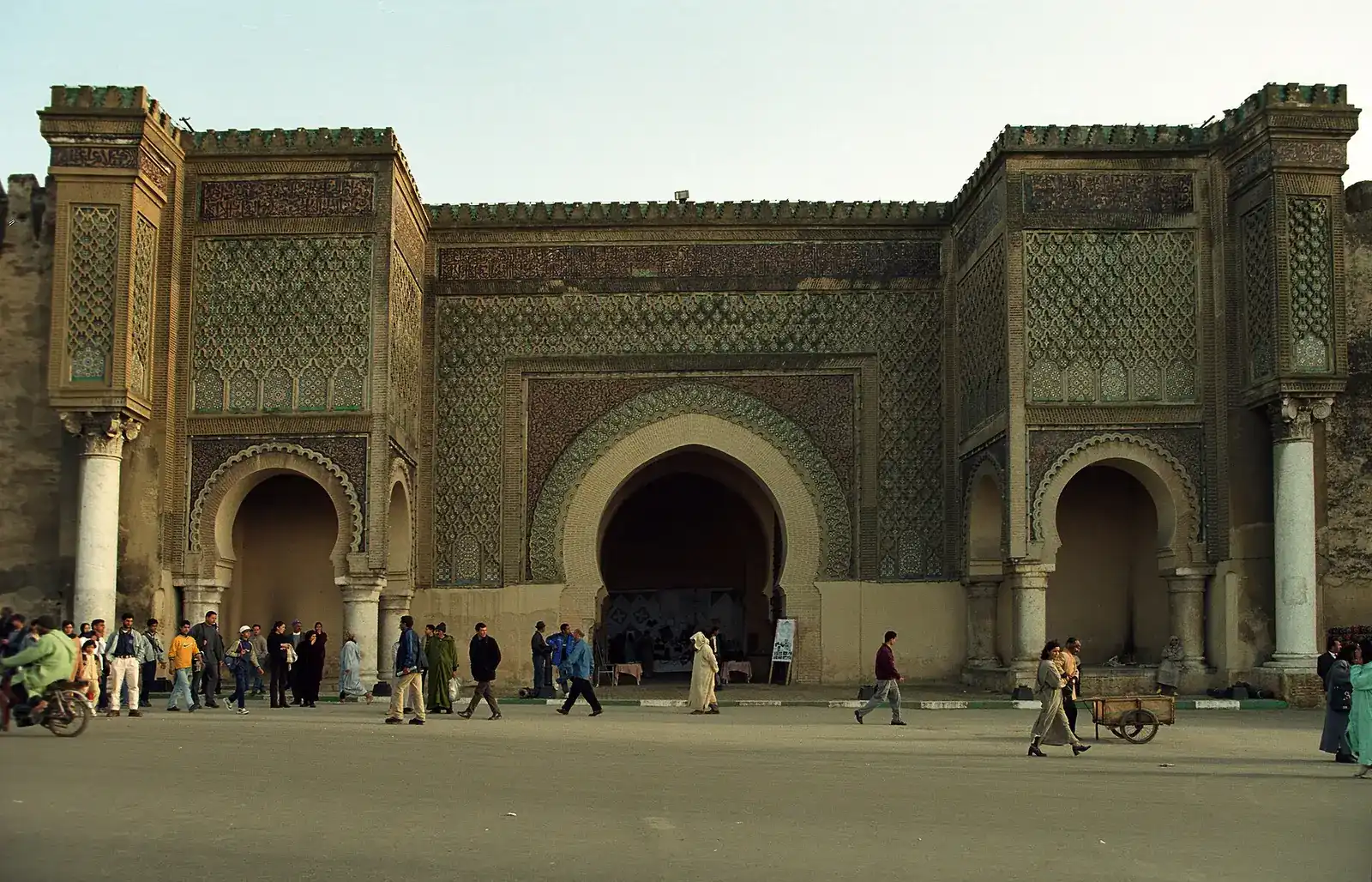
Meknes
The former capital of Moulay Ismail, an hour's drive away. Bab Mansour, the most monumental gate in Morocco, opens onto El-Hedim Square; beside it, the granaries and stables of Heri es-Souani held the city's reserves.
Volubilis
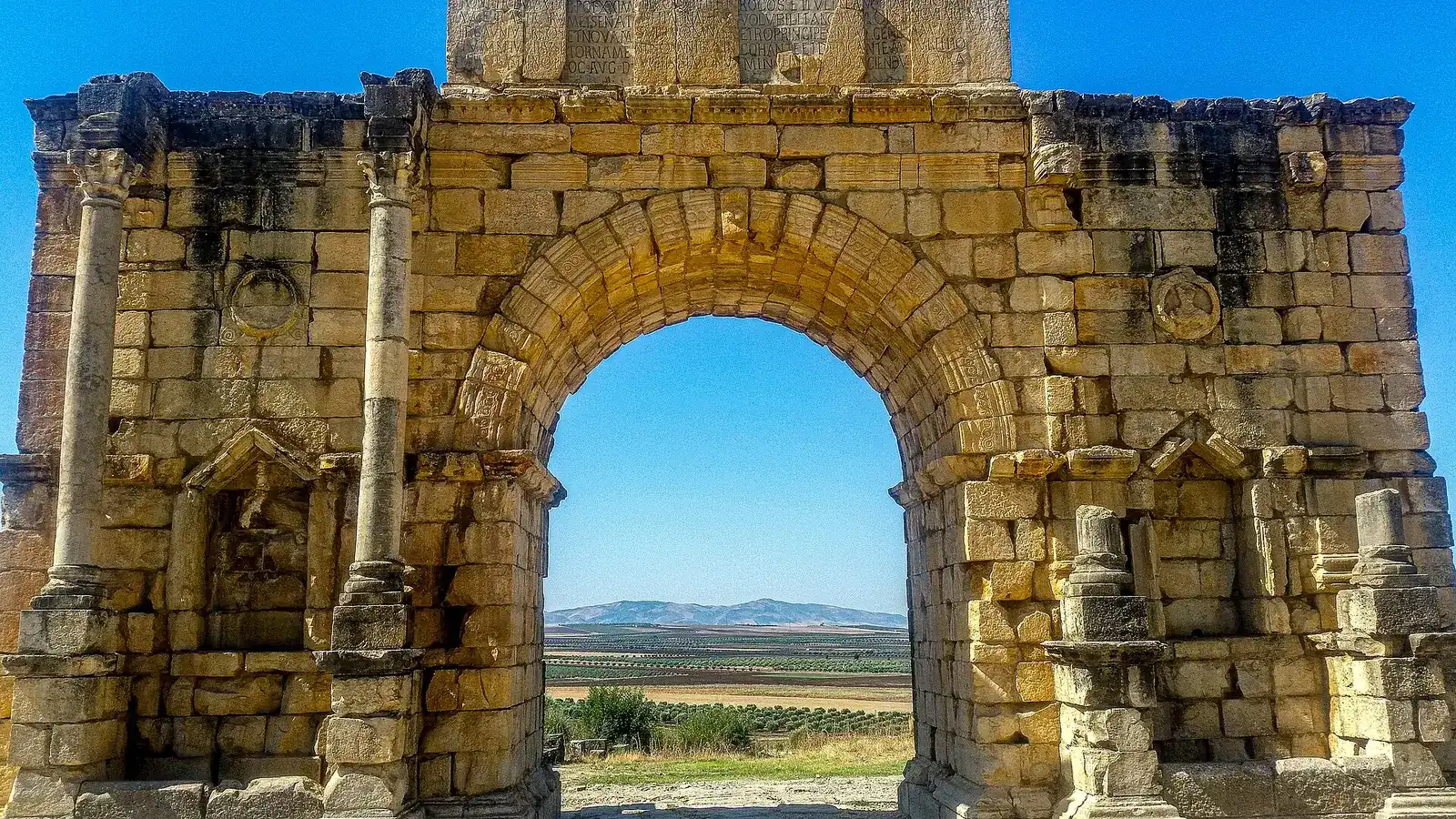
The best-preserved Roman city in Morocco, a UNESCO site at the foot of Mount Zerhoun. The Arch of Caracalla, the capitol, the basilica, and above all the mosaics still lying open to the sky in the patrician houses: Orpheus, Dionysus, the labours of Hercules.
Moulay Idriss Zerhoun
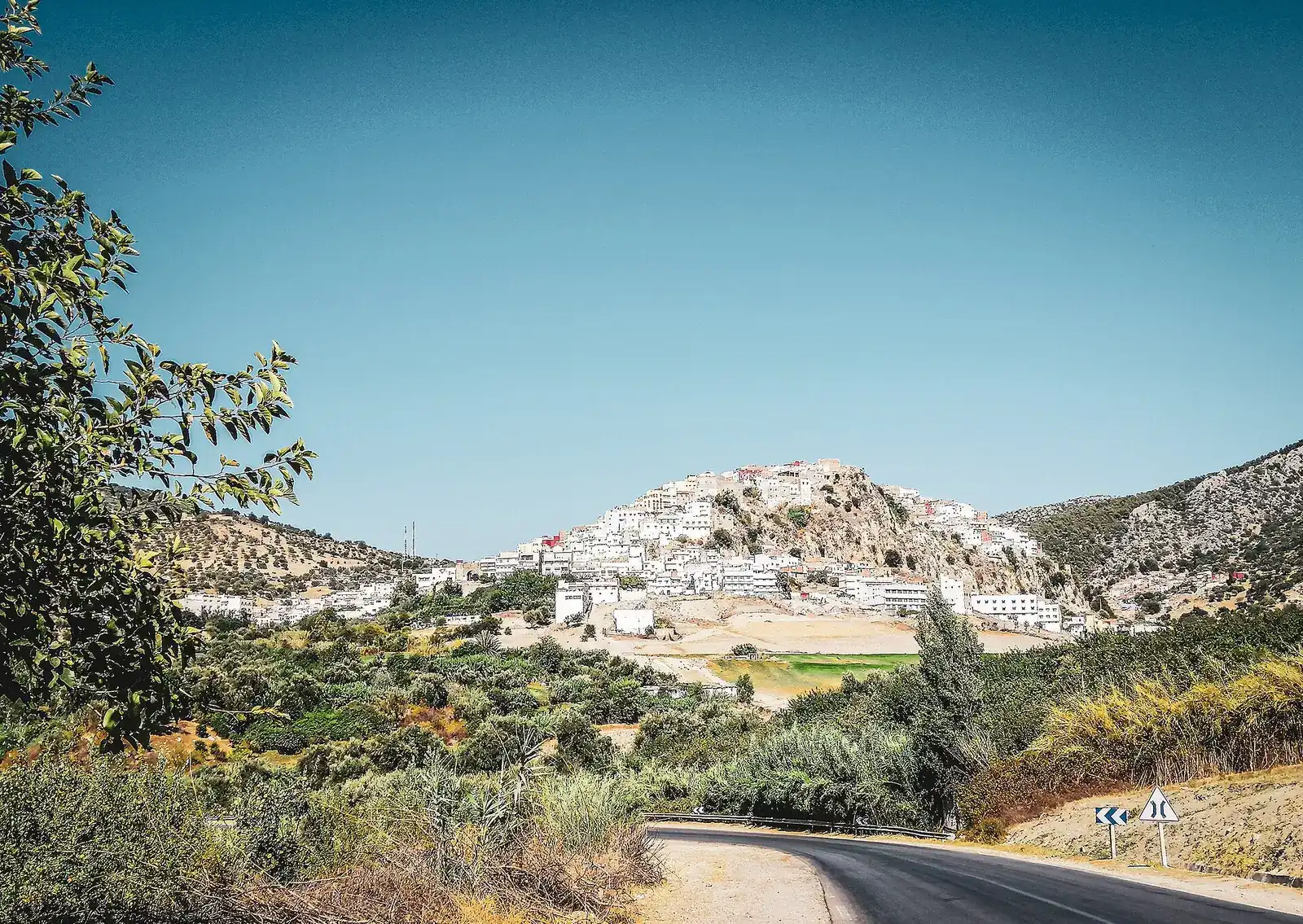
Morocco's holy town, clinging to two hills a few kilometres from Volubilis. It holds the tomb of Idris I, founder of the first Moroccan dynasty. Stop for the white lanes and the view from the Sidi Abdallah el-Hajjam terrace.
Ifrane, Azrou and the cedar forest
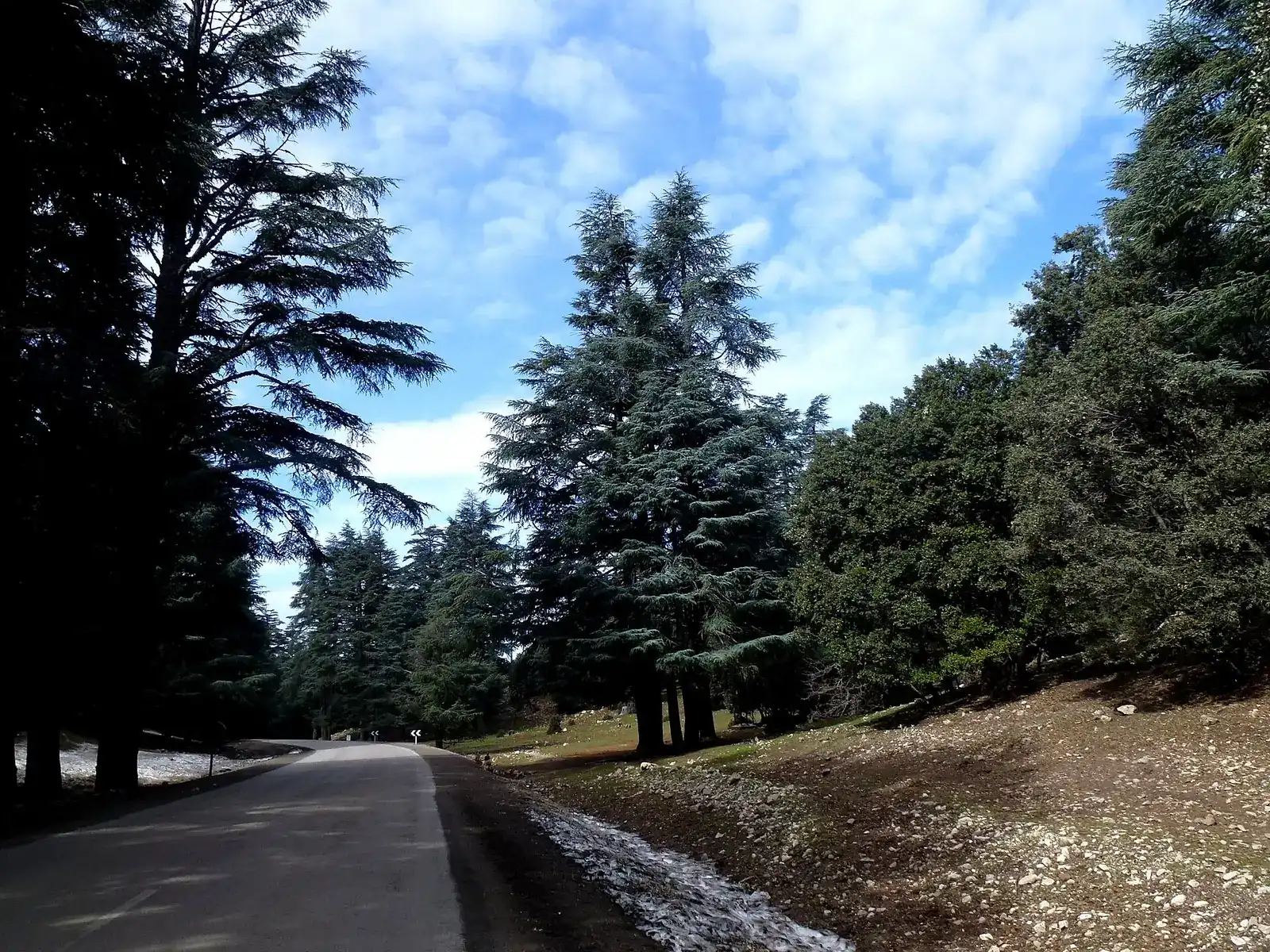
The Middle Atlas road climbs to Ifrane and its steep-pitched roofs, then on to Azrou and the largest cedar forest in Africa, home to the last free-living Barbary macaques. The air stays cool even in August: the contrast with Fez is striking.
Planning your visits
We are glad to show you the way on a map of the medina, and we book a certified guide or a car with a driver for the longer trips. Just tell us the evening before what you would like to see.
Photo credits
The photographs on this page come from Wikimedia Commons and are reproduced under Creative Commons licences. Each author is credited below, with their licence and a link to the original.
- The Bou Inania Madrasa — photo by Petar Milošević, CC BY-SA 4.0 (view the original(new tab))
- Al-Qarawiyyin — photo by Momed.salhi, CC BY-SA 4.0 (view the original(new tab))
- The Chouara tanneries — photo by Jorge Franganillo, CC BY 2.0 (view the original(new tab))
- Bab Boujloud and the souks — photo by Timothy A. Gonsalves, CC BY-SA 4.0 (view the original(new tab))
- The al-Attarine Madrasa — photo by Robert Prazeres, CC BY-SA 4.0 (view the original(new tab))
- The Nejjarine Fondouk — photo by Oumaima Loudini, CC BY-SA 4.0 (view the original(new tab))
- The Moulay Idriss II Zawiya — photo by Oumaima Loudini, CC BY-SA 4.0 (view the original(new tab))
- The Jnan Sbil gardens — photo by Robert Prazeres, CC BY-SA 4.0 (view the original(new tab))
- The Royal Palace and the Mellah — photo by Yair Haklai, CC BY-SA 4.0 (view the original(new tab))
- The Dar Batha Museum — photo by R Prazeres, CC BY-SA 4.0 (view the original(new tab))
- Borj Nord and the Merinid tombs — photo by Zipampa, CC BY-SA 3.0 (view the original(new tab))
- The new town — photo by Herbert wie, CC BY-SA 4.0 (view the original(new tab))
- Meknes — photo by Jerzy Strzelecki, CC BY 3.0 (view the original(new tab))
- Volubilis — photo by Oumaima Loudini, CC BY 4.0 (view the original(new tab))
- Moulay Idriss Zerhoun — photo by ZAINEB HACHAMI, CC BY-SA 4.0 (view the original(new tab))
- Ifrane, Azrou and the cedar forest — photo by Hiroki Ogawa, CC BY 3.0 (view the original(new tab))